
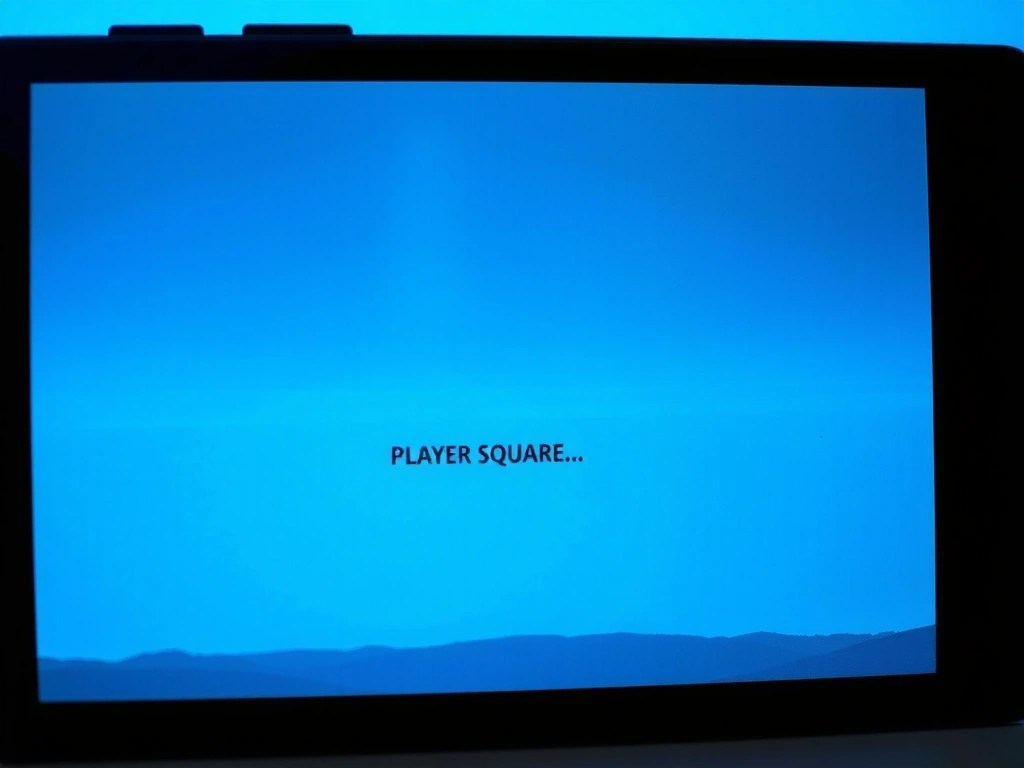
The Calm Gradient
Speed = 0. Background is cool blue. No particles. The player's mind is at rest.
Gravity Run’s entire design philosophy is built on a single, counter‑intuitive loop: tap to reverse gravity, but momentum carries forward. This creates a constant, high‑stakes tension between control and surrender.
“The player doesn’t steer. They negotiate momentum. Every jump is a commitment, every landing a negotiation with physics.” — Lead Developer, Iteration Log Day 2
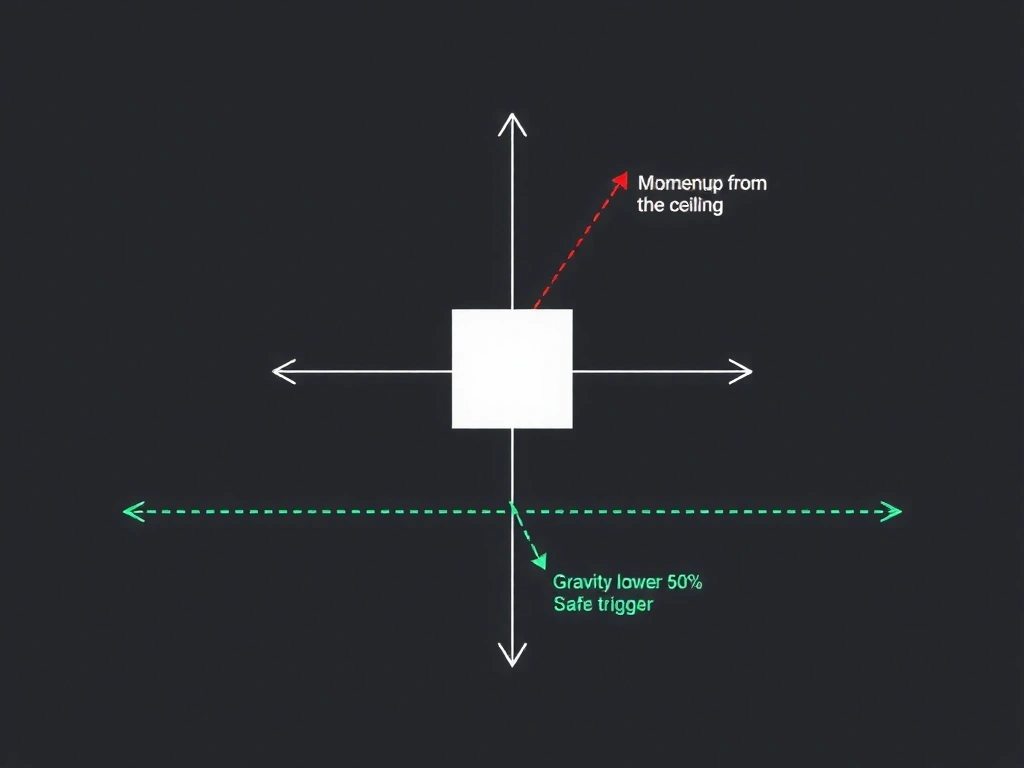
Never stops. Only changes direction.
Tap triggered. Cost: vertical lift.
Ceiling = Kill Zone. Stay below 60%.
Traditional HUDs are rejected. Game state is communicated through environment, color, and physics alone.
Speed = 0. Background is cool blue. No particles. The player's mind is at rest.
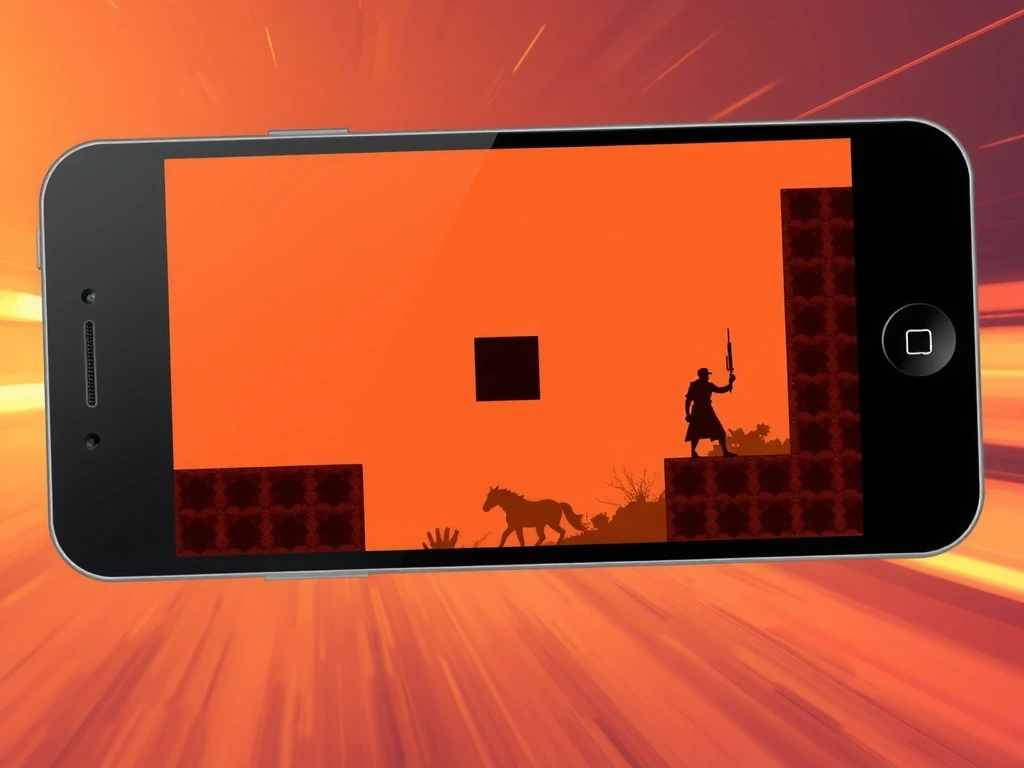
Speed = Max. Background shifts to orange. Particle trail appears. The brain registers danger.
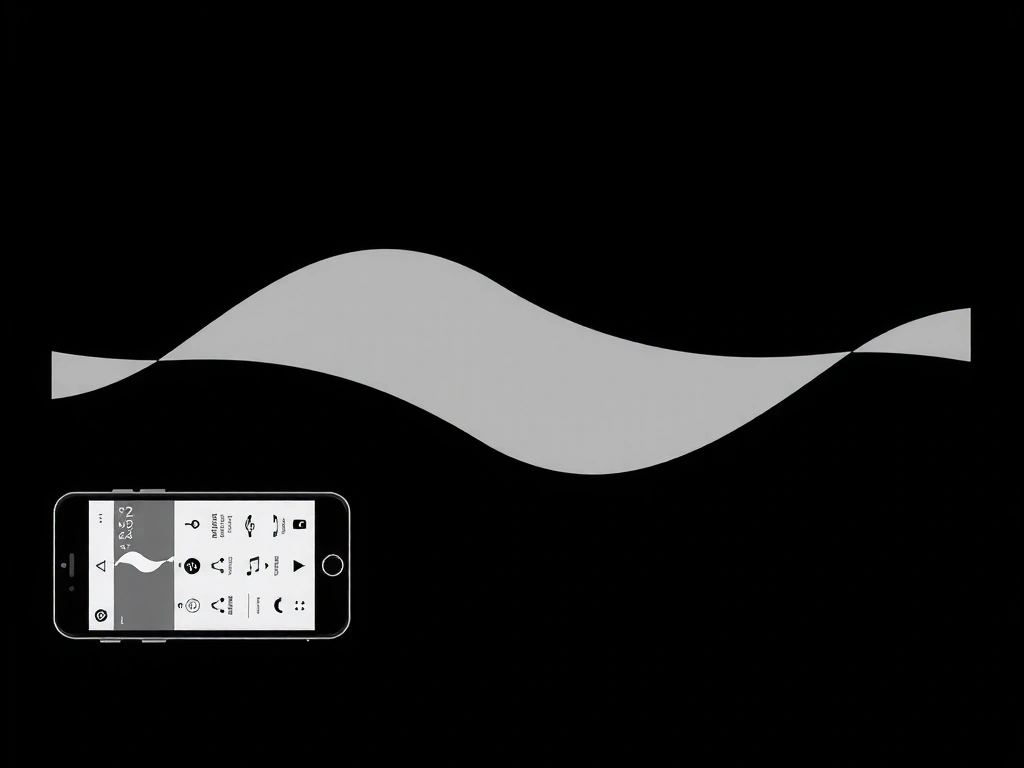
Audio waveforms: 0.5s before impact. A rising synth tone. The player learns to *hear* the crash before seeing it.
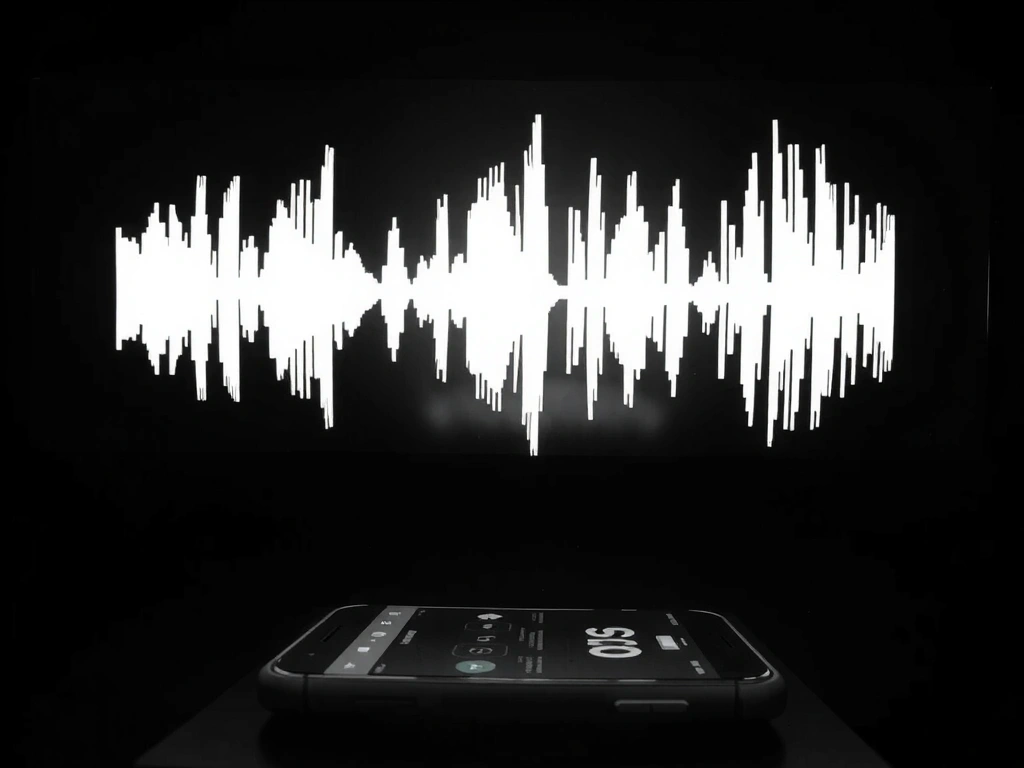
Single loop track. Tempo scales with speed. At max, music is 1.5x faster. You are not just fast; the *world* races with you.
The core mechanic was defined in three days. All complexity was stripped away to find the single, viable loop.
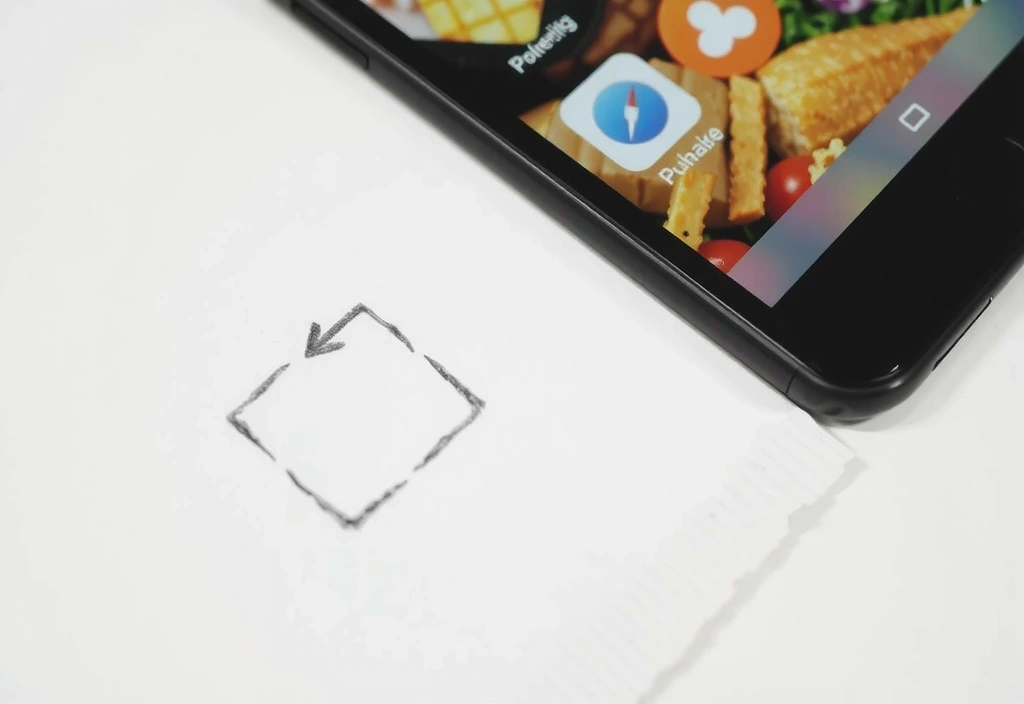
The idea was born from a single drawing: a square with one arrow pointing up. No horizontal movement. Pure vertical negotiation. The constraint was immediate: no steering.
First build: toggling gravity sent the square flying off-screen. The breakthrough was a terminal velocity cap. The square could never be faster than a defined speed, making the physics predictable and fair.
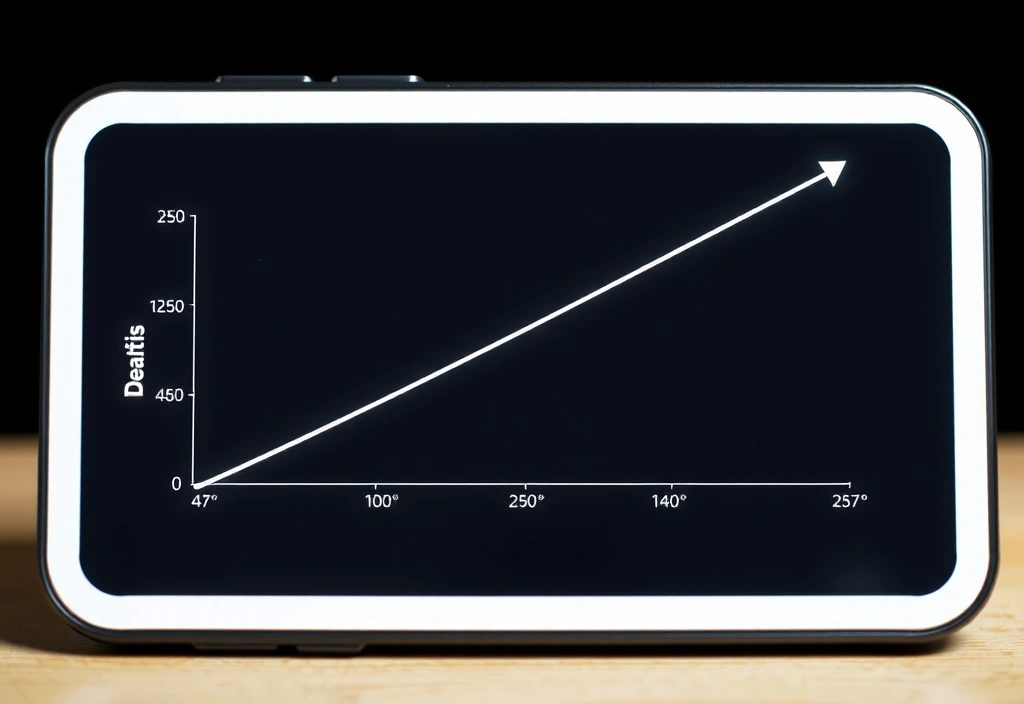
We added the ceiling kill zone. Playtesters died 47 times in the first minute. This was the validation: frustration was the point. The 'Up & Down' prototype was renamed 'Gravity Run'.
We optimized for a single, well-executed core loop. This required sacrificing everything else.
With the core loop proven, the final 72 hours were spent on 'feel'—the subtle additions that transform a functional prototype into a satisfying game.
Every added effect was tested against one question: does it enhance the core feedback loop, or does it distract? We kept screen shake, particle trails, and squash & stretch. We removed blooming lights and excessive lens flare.
Levels are not puzzles. They are choreographed sequences of gravity reversals. We tracked the 'Reversal-to-Obstacle' ratio. A perfect level sits at 1.2, creating a predictable yet challenging flow.
30% of finished levels were cut. They were technically sound but disrupted the established rhythm. Quality was measured in flow-state sustainment, not content volume.
The most powerful game mechanics are often the simplest. Gravity Run proves that constraint is not a limitation—it's the canvas for creativity. By stripping away everything but the gravity paradox, we created a system where depth emerges from rhythm, not complexity.
Our team analyzes gameplay mechanics, design constraints, and iteration processes to build engaging technical documents.